Home About Tours Desert Wildlife Birds Safari Contact

Rajasthan · India · Established 1980

Desert
National Park

Thar's Living Wilderness — 3,162 km² of Raw, Timeless Beauty

🦅 Great Indian Bustard Sanctuary 🌵 Thar Desert Ecosystem 🦎 Rare Desert Reptiles ⭐ 120+ Bird Species
Scroll
3,162
Sq. Km Area
120+
Bird Species
1980
Year Established
150m
Highest Sand Dune
2
Districts Covered
<100mm
Annual Rainfall
Sam Sand Dunes

About The Park

India's Largest Desert Reserve

The Desert National Park is a protected area nestled in the golden expanse of the Thar Desert near Jaisalmer, Rajasthan. Spanning an enormous 3,162 km²—of which 1,900 km² lies in Jaisalmer district and 1,262 km² in Barmer district—it stands as one of the largest national parks in India.


Established in 1980 under the Wildlife Protection Act, the park was created to safeguard the unique and fragile desert ecosystem of the Thar. It shelters critically endangered species like the Great Indian Bustard, along with foxes, chinkaras, monitor lizards, and over 120 species of migratory and resident birds. Its landscape of shifting sand dunes, rocky outcrops, seasonal salt lakes, and fossil remnants makes it ecologically extraordinary.
Flora & Fauna

Desert Wildlife

The park's harsh environment has shaped remarkable life—creatures that thrive where few can survive.

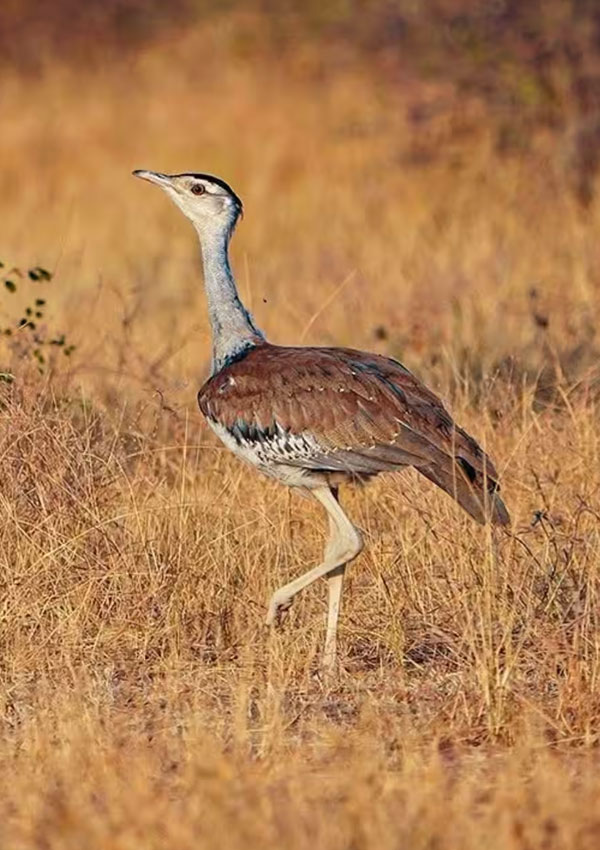
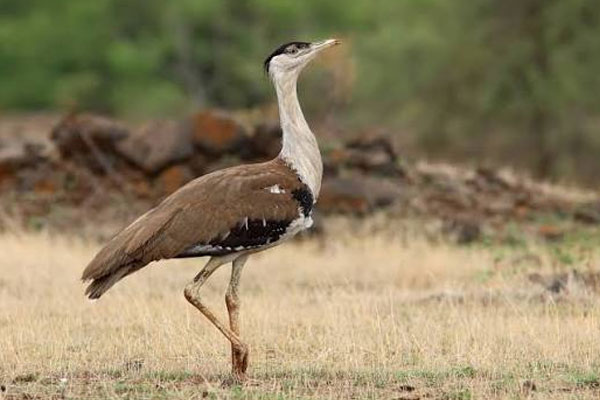
Great Indian Bustard Critically Endangered

Great Indian Bustard

Ardeotis nigriceps

India's heaviest flying bird and the park's crown jewel. Once widespread across grasslands, fewer than 150 individuals survive today. The DNP is their most critical stronghold, and conservation efforts here are globally significant.

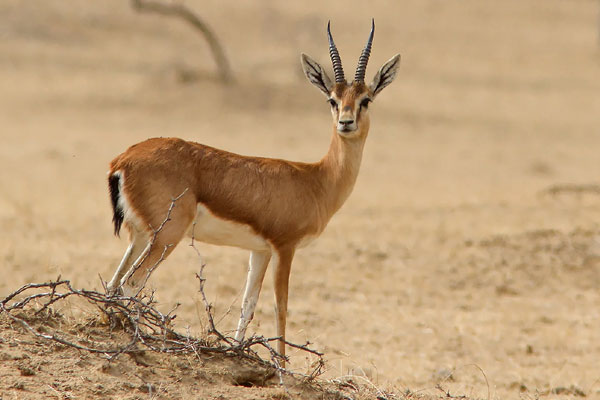
Chinkara Near Threatened

Chinkara

Gazella bennettii

The graceful Indian Gazelle navigates rocky desert terrain with astonishing agility. Chinkaras can go days without water, deriving moisture entirely from their food—a true master of desert survival.

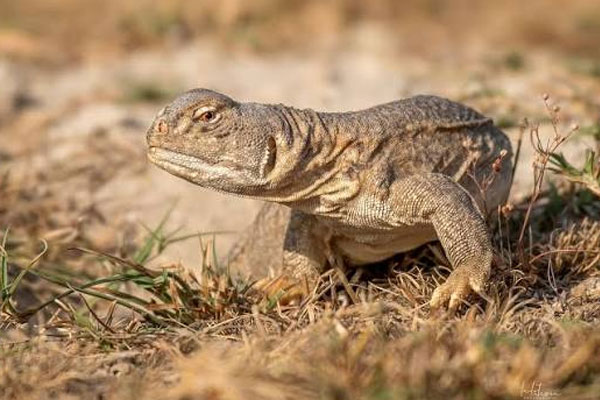
Spiny-tailed Lizard Endemic Species

Spiny-tailed Lizard

Uromastyx hardwickii

A large, herbivorous lizard uniquely adapted to extreme heat. It digs elaborate burrow systems and is prized by local communities. The DNP protects significant populations of this desert icon.

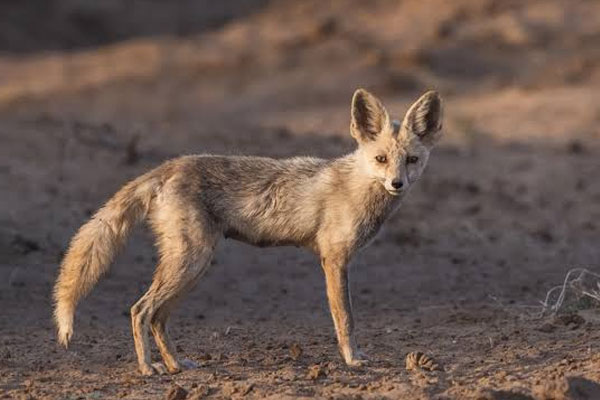
Desert Fox Mammal

Desert Fox

Vulpes vulpes pusilla

Swift, cunning and supremely adapted, the desert fox hunts at dusk and dawn to avoid the scorching midday heat. Its sandy coat provides camouflage as it stalks rodents, reptiles, and insects.

Indian Wolf Mammal

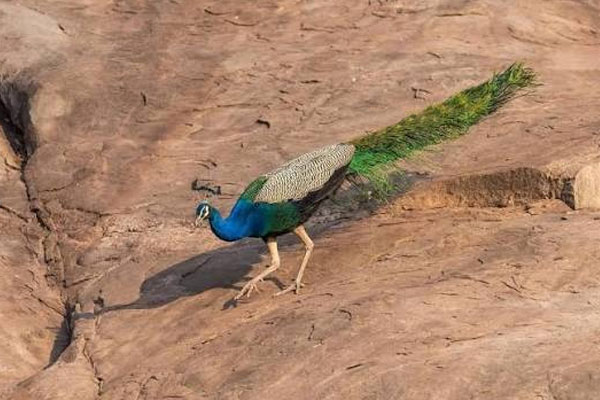
Indian Peafowl

Pavo cristatus

India's national bird is found in surprising abundance here. Peacocks perform their magnificent displays near water sources in the scrub desert, a spectacular sight against the sand dune backdrop.

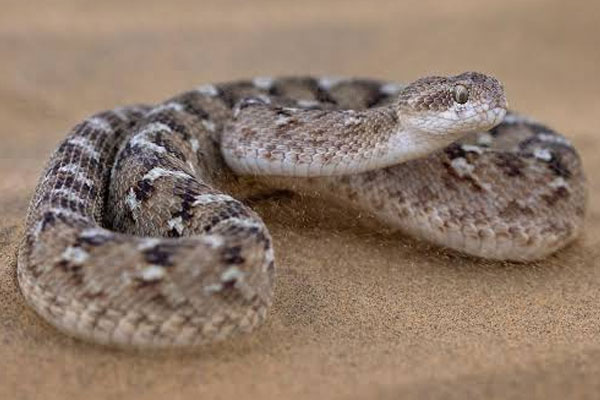
Saw-scaled Viper Reptile

Saw-scaled Viper

Echis carinatus

One of India's most dangerous snakes, the saw-scaled viper is an adept nocturnal hunter perfectly camouflaged within the sand. It produces a distinctive rasping sound by rubbing its scales together.

Terrain & Ecology

The Landscape of DNP

Sand Dunes

Shifting Sand Dunes

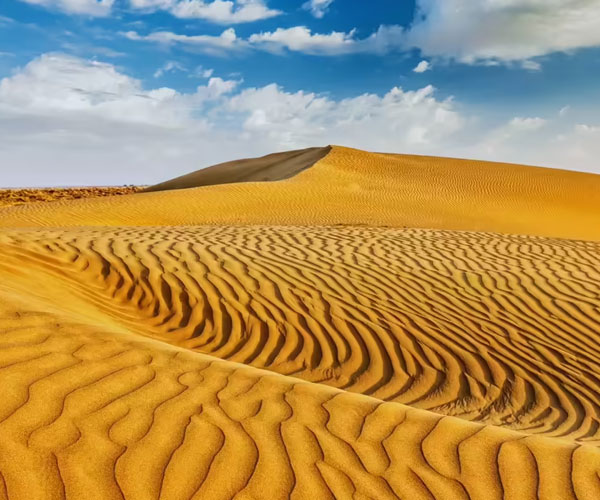
The park's most iconic feature—towering sand dunes that reach up to 150 metres—are in constant motion, reshaped by the desert winds. These active dunes shift by several metres each year, creating an ever-changing, sculpted landscape.

The Sam dunes near the park boundary are the most famous, but the park itself contains remote dune fields of breathtaking scale. Rippled dunes at sunrise glow in deep amber and orange, making them one of India's most dramatic natural vistas.

  • Height up to 150 metres above surrounding terrain
  • Active dunes move 5–15 metres per year
  • Wind erosion creates crescent-shaped barchan dunes
  • Dune slipfaces reach 30–35° inclination
Rocky Terrain

Rocky Outcrops & Plateaus

Beyond the dunes, the park transitions into barren rocky plateaus (locally called "bhakhar"), wind-eroded hillocks, and scattered boulders of limestone and sandstone that have been sculpted over millennia.

These areas are critical habitat for reptiles like monitor lizards and various gecko species, who shelter in rock crevices. The rocky terrain also provides nesting sites for raptors such as Laggar Falcon and Short-toed Eagle.

  • Limestone bedrock dominates much of the landscape
  • Wind erosion sculpts mushroom-shaped rock formations
  • Critical raptor nesting habitat
  • Home to rare reptile species
Fossil Park

Akal Wood Fossil Park

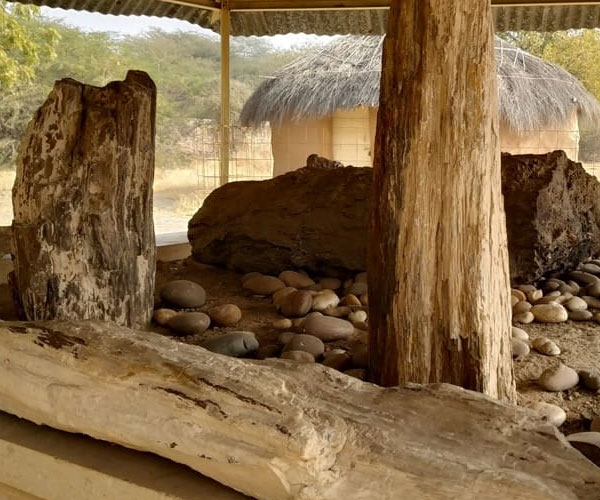
One of the most remarkable sites within the park is the Akal Wood Fossil Park—an open-air museum of petrified tree trunks over 180 million years old (Jurassic era), embedded in the desert floor.

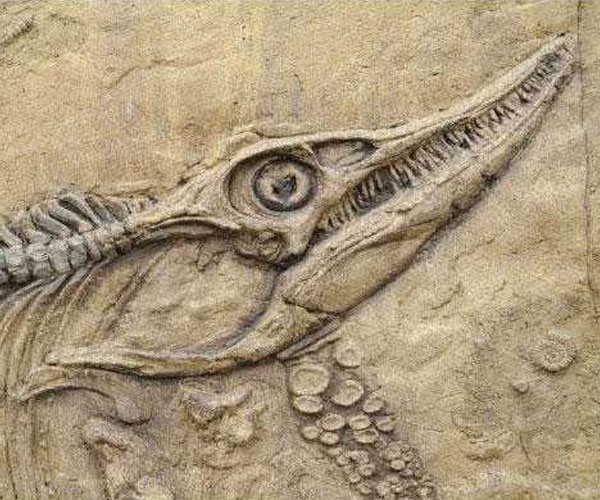
These fossils prove that the Thar Desert was once a lush, moist forest. The fossilised wood and marine fossils found here offer extraordinary insight into ancient geological history, making the DNP as significant for palaeontology as for wildlife.

  • Fossils date back ~180 million years (Jurassic period)
  • Preserved tree trunks up to 1.5m diameter
  • Marine fossils indicate ancient shallow sea
  • Protected as a National Fossil Monument
Desert Flora

Desert Flora

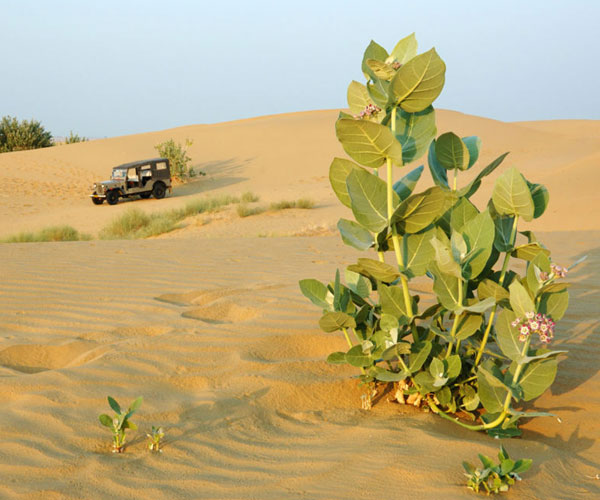
Despite the extreme aridity, the DNP supports a surprising variety of vegetation. Hardy plants have evolved remarkable strategies—deep root systems, waxy leaves, and drought dormancy—to thrive with less than 100mm of rain per year.

The dominant tree is the Khejri (Prosopis cineraria), sacred to the Bishnoi community, along with Rohida, Babul acacia, and various succulent shrubs. Seasonal flowers erupt after monsoon rains in vivid bursts of colour.

  • Khejri — Rajasthan's state tree, thrives in DNP
  • Sewan grass — key fodder species for grazers
  • Ker and Sangri — fruiting plants of cultural importance
  • Seasonal wildflowers bloom post-monsoon

Avifauna

Remarkable Bird Species

With over 120 species of resident and migratory birds, the DNP is one of India's premier birdwatching destinations. From critically endangered giants to tiny desert larks, every visit yields extraordinary sightings.

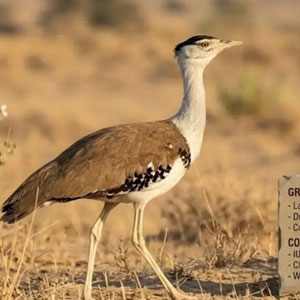
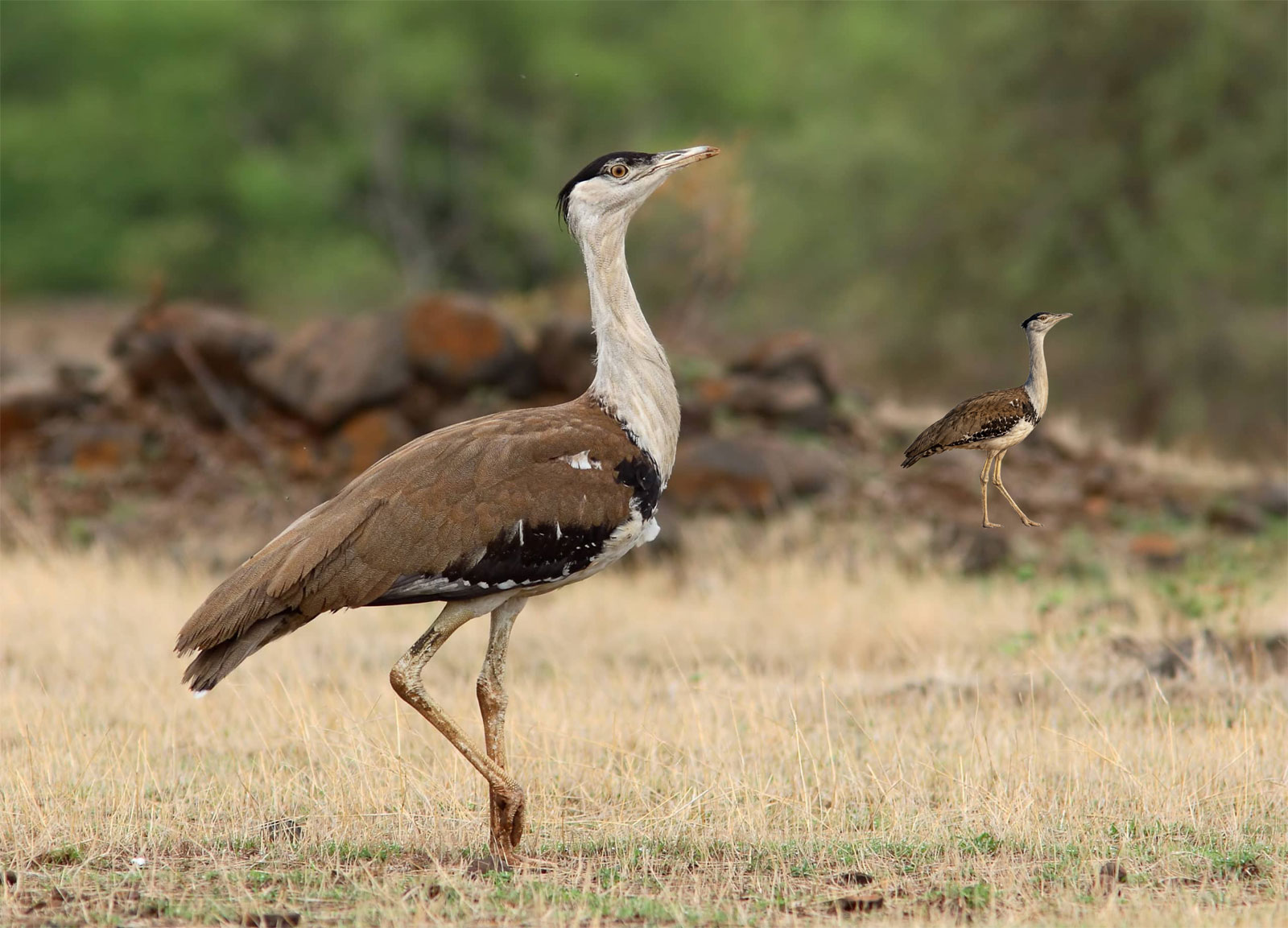
Great Indian Bustard

Great Indian Bustard

Ardeotis nigriceps — Critically Endangered

India's heaviest flying bird. Fewer than 150 survive globally; the DNP holds the largest single population.

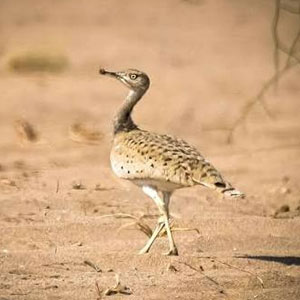
MacQueen's Bustard

MacQueen's Bustard

Chlamydotis macqueenii — Winter Migrant

A prized winter visitor from Central Asia, seen in the open scrub and gravel plains of the park.

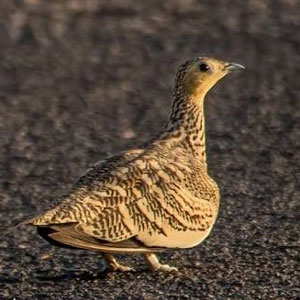
Sandgrouse

Chestnut-bellied Sandgrouse

Pterocles exustus — Resident

Flocks of thousands gather at water holes at dawn in a spectacular daily ritual to drink and carry water back to chicks.

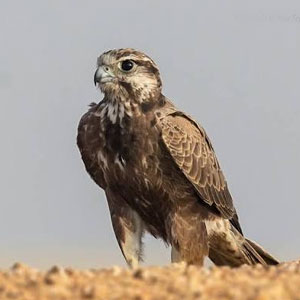
Laggar Falcon

Laggar Falcon

Falco jugger — Resident Raptor

A powerful desert falcon that hunts other birds in breathtaking aerial stoops, nesting on rocky outcrops and cliffs.

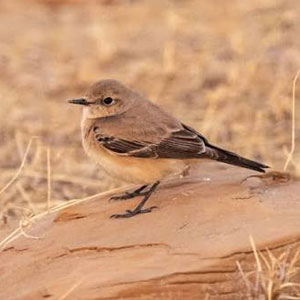
Desert Wheatear

Desert Wheatear

Oenanthe deserti — Winter Visitor

A charismatic small bird that bobs and flicks its tail among the rocks, arriving each winter from its breeding grounds.

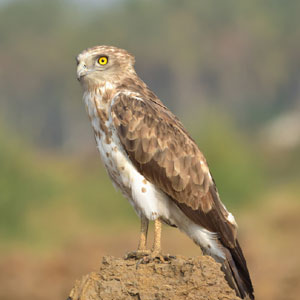
Short-toed Eagle

Short-toed Snake Eagle

Circaetus gallicus — Winter Migrant

This large raptor specialises in hunting snakes and lizards, hovering dramatically before diving onto prey.

Experiences

Safari & Activities

🚙

Jeep Safari

Explore the park's remote dune fields, fossil sites, and wildlife-rich scrub in a 4WD jeep with an expert naturalist guide. Morning and evening safaris offer the best wildlife sightings.

⏱ 3–4 Hours 👥 Max 6 Per Jeep 🌅 Dawn & Dusk
🐫

Camel Safari

Traverse the dunes at the unhurried pace of a camel—the traditional way to experience the desert. Multi-day camel treks can include overnight camping under a sky blazing with stars.

⏱ 1–3 Days 🏕 Camp Included 🌟 Stargazing
🦅

Birding Walks

Guided birdwatching on foot through the scrub habitat is the best way to spot GIB, sandgrouse, and rare waders. Binoculars and field guides are provided by our expert naturalists.

⏱ 2–3 Hours 🔭 Binoculars Incl. 📋 Checklist Given
🦕

Fossil Park Tour

Visit the extraordinary Akal Wood Fossil Park, 17 km from Jaisalmer, where 180-million-year-old Jurassic tree trunks lie petrified in the desert floor. An unforgettable step back in geological time.

⏱ 1–2 Hours 🏛 Entry ₹10 📖 Guide Narration

Plan Your Visit

Entry, Timings & Essentials

🕐 Timings

  • Open: Sunrise to Sunset
  • Morning Safari: 6:30 AM – 10:00 AM
  • Evening Safari: 3:30 PM – 6:30 PM
  • Closed: No official closing day

💰 Entry Fee

  • Indians: ₹50 per person
  • Foreigners: ₹200 per person
  • Camera: ₹50 (still)
  • Video Camera: ₹200
  • Jeep Entry: ₹800 per vehicle

📅 Best Season

  • Oct–Feb: Ideal (cool, birds arrive)
  • Nov–Jan: GIB sightings peak
  • Mar–Apr: Acceptable
  • May–Sep: Extreme heat, avoid

📍 How to Reach

  • By Air: Jaisalmer Airport (7 km)
  • By Train: Jaisalmer Railway Station
  • By Road: NH 15, well-connected
  • Park Gate: 40 km from Jaisalmer city

When To Visit

Seasons in the Thar

❄️

Winter

October — February

The ideal time to visit. Temperatures drop to 5°C at night. Peak wildlife viewing season; migratory birds arrive in vast numbers. The Great Indian Bustard is most active in this period.

🌸

Spring

March — April

Pleasantly warm days before the heat builds. Birds begin their northward migration. Wildflowers bloom briefly. Good visibility still offers decent wildlife sightings before summer.

☀️

Summer

May — July

Extreme conditions — temperatures soar above 48°C. Most wildlife retreats underground or lies dormant. Not recommended for visitors. Locals call it the "furnace months."

🌧️

Monsoon

August — September

Brief rains transform the desert into a fleeting green carpet. Seasonal salt lakes fill with water. Reptiles emerge; amphibians appear magically. Roads may flood; access can be limited.

Conservation

Conservation

Protecting the Fragile Desert

The Desert National Park is at the frontline of some of India's most urgent conservation battles. Multiple programmes run simultaneously to protect the park's biodiversity from poaching, overgrazing, and infrastructure threats.

01

Project GIB — Great Indian Bustard Recovery

A flagship initiative combining habitat protection, egg collection for captive breeding, and community engagement. Power line collisions are a major threat; advocacy for underground cables is ongoing.

02

Anti-Poaching Patrolling

Dedicated forest rangers patrol the park round-the-clock, equipped with GPS tracking devices and rapid-response vehicles to counter wildlife poaching and illegal grazing.

03

Community Conservation

Working with local Bishnoi and Rajput communities—traditionally fierce protectors of wildlife—to create buffer zones and incentivise wildlife guardianship over poaching.

04

Habitat Restoration

Restoring degraded scrubland by controlling invasive species, reducing overgrazing pressure, and establishing artificial water holes to support wildlife through the brutal summer months.

Tour Packages

Curated Experiences

Jeep Safari Most Popular

Desert Jeep Safari Package

A half-day 4WD adventure through sand dunes, rocky outcrops, and scrub habitat with a certified naturalist guide and wildlife photography tips. Departs at sunrise for best sightings.

2 Days Tour 1 Night · 2 Days

1 Night 2 Days Jaisalmer Package

Explore the park, Sam dunes, Akal Fossil Park, and Jaisalmer Fort. Evening camel ride at sunset followed by a night of Rajasthani folk music and dinner at a desert camp.

Birding Tour Birding Special

2 Nights 3 Days Jaisalmer Tour

A dedicated wildlife and birding package with expert ornithologist. Multiple safaris targeting Great Indian Bustard, MacQueen's Bustard, and rare raptors with sunrise and sunset drives daily.

Location & Getting There

Find the Park

✈️

By Air

Jaisalmer Airport (JSA) has direct flights from Delhi, Mumbai, and Jodhpur. The park entrance is approximately 40 km from the airport via NH-11.

🚂

By Train

Jaisalmer Railway Station is well connected. The iconic Jaisalmer Express departs from Delhi. Trains also connect Jodhpur and Bikaner.

🚌

By Road

NH-15 (now NH-11) connects Jaisalmer to Jodhpur (285 km), Bikaner (330 km), and Jaipur (570 km). Rajasthan Roadways buses run regularly.

📍

Park HQ Address

Chief Wildlife Warden, Desert National Park, Near Jaisalmer Fort, Jaisalmer, Rajasthan — 345001

Common Questions

Frequently Asked Questions

The ideal time is October to February, when temperatures are pleasant (5–25°C) and migratory birds including the Great Indian Bustard are most visible. November to January offers peak wildlife activity. Avoid May–August due to extreme heat exceeding 48°C.

Sightings are never guaranteed, but they are much more likely in winter months with an experienced guide. Early morning jeep safaris in the Sudashri area of the park offer the best chances. A dedicated 2–3 day birding itinerary significantly increases your probability of a sighting.

Yes. Photography is permitted with payment of applicable fees at the gate. Still cameras are ₹50 and video cameras are ₹200. Drone photography requires special prior permission from the Divisional Forest Officer and is generally restricted near the GIB breeding areas.

The main park entry point at Sudashri is approximately 40–45 km from Jaisalmer city centre, about a 50-minute drive on paved road. The Sam sand dunes, which border the park, are about 42 km from Jaisalmer. Most tour operators offer pick-up from Jaisalmer hotels.

An official guide is mandatory for all safari activities inside the park. During peak season (November–February) it is strongly recommended to book 2–3 days in advance, especially for specialised birding guides. Contact us to arrange certified guides with naturalist expertise.

Accommodation ranges from luxury desert camps at Sam dunes to budget guesthouses in Jaisalmer city. Most visitors stay in Jaisalmer and travel to the park on morning/evening safaris. Desert camps near the park offer the most immersive experience, with tented accommodation and cultural evenings.

Absolutely. Desert National Park is a fantastic destination for families. Children love the camel rides, dune walks, and spotting lizards and birds. We recommend the morning jeep safari for families. Children under 5 generally enter for free; consult current entry fee schedules at the gate.

whatsapp